- What is covered
- How claims are handled
- Where the limits are
- On health content specifically
- Who this is for
- Corrections
- How the site decides what to publish
- What this site is deliberately not
- Frequently asked questions
- Who writes this site?
- Why does the site avoid strong health claims when other tea sites make them?
- How is this site different from a tea shop's blog?
- Does the site cover Japanese and Korean tea?
- How current is the information here?
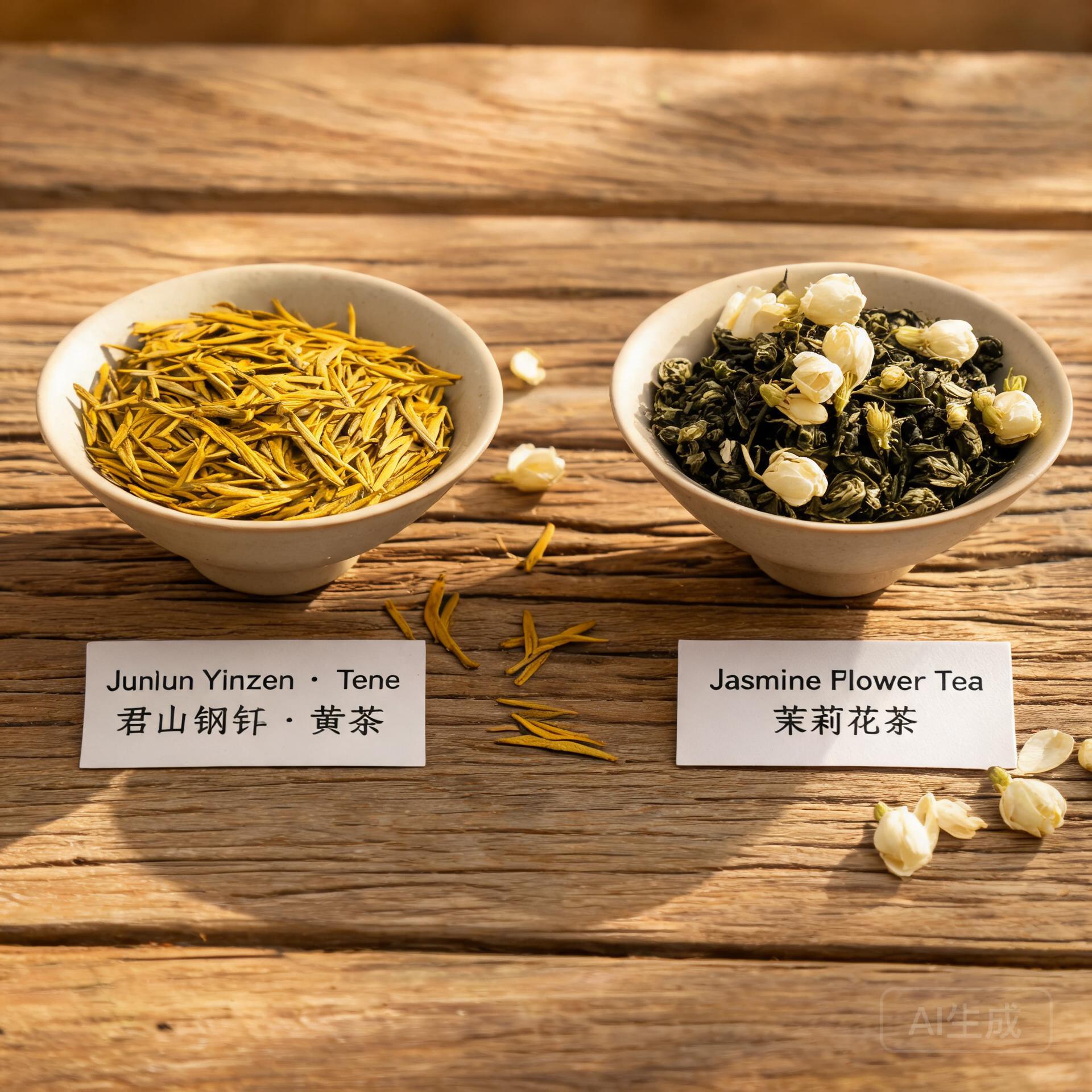
Encyclopedia Tea is a reference site about Camellia sinensis and the drinks made from it. The aim is narrow and specific: describe what is documented, distinguish it from what is merely repeated, and be explicit about which is which. A large amount of tea writing online is marketing with tea vocabulary, and a large amount of tea advice repeats claims that nobody has checked. This site tries to avoid both. Where the evidence is thin, it says so rather than filling the gap with confident prose.
What is covered
- The six Chinese tea categories and how processing distinguishes them
- The major producing regions and what makes them distinct
- Brewing parameters, and why they differ by tea type
- Storage, ageing and shelf life, including where the categories diverge
- Teaware, with attention to what actually changes the cup
- Standards, grading and labelling, including what each claim can and cannot tell you
- Health topics, treated conservatively
How claims are handled
Three rules apply throughout.
First, factual claims about processing, chemistry, standards and history are grounded in published sources — primarily encyclopaedic and academic references for general facts, and standards documents for regulatory matters. Where a number is given, it is a number that comes from somewhere rather than an invented precision.
Second, where sources disagree, the disagreement is presented rather than resolved by assertion. The definition of white tea is genuinely unsettled; the identity of the primary mould in pu-erh fermentation has been revised; whether a specific tea improves with age depends on storage in ways nobody can predict cake by cake. Presenting these as settled facts would be false.
Third, claims that are widely repeated but not supported are named as such. This is where a reference site earns its keep, and it is also where it makes itself unpopular with parts of the industry.
Where the limits are
The limits are worth stating plainly.
- Taste is subjective. Descriptions of flavour are guidance, not measurement, and two experienced drinkers can describe the same tea differently.
- Provenance claims are hard to verify. Writing that a famous tea is often counterfeited is accurate; identifying which specific products are counterfeit is not something this site can do.
- Health evidence moves. Summaries of health research reflect a point in time and should not be read as medical advice.
- Storage outcomes are unpredictable. Statements about how a tea will age are observations about tendencies, not forecasts about a particular cake.
- Not every tea region or style is documented equally well in accessible sources, and gaps in the sources show up as gaps here.
On health content specifically
Tea is heavily marketed on health claims, and the gap between the marketing and the clinical evidence is large. This site takes the position that reviews of the clinical literature have generally found small or inconsistent effects for the benefits commonly claimed, and no established case for tea treating or preventing disease.
Real cautions are reported as well: caffeine affecting sleep and pregnancy, reduced iron absorption, drug interactions, and the documented association between high-dose green tea extracts and liver injury. A reference that lists only benefits is not a reference.
Nothing here is medical advice. If you have a health condition or take medication, the relevant source is a clinician or pharmacist.
Who this is for
It is written for people who want to understand tea rather than be sold to. That includes someone who has just bought their first gaiwan and wants to know why the second infusion tastes better than the first, and someone who has been drinking pu-erh for a decade and wants to understand what the fermentation literature actually says.
It assumes curiosity and no expertise. Technical terms are defined where they appear rather than assumed.
Corrections
Errors are possible and will be corrected when identified. The most useful correction is a specific one: a claim, a source, and what the source actually says. Broad disagreement about taste is welcome but is not a correction — tastes differ and the site does not claim to settle them.
How the site decides what to publish
Because the aim is to be checkable rather than comprehensive, a few editorial rules govern what appears here and in what form.
- A topic is covered when there is something specific and verifiable to say about it, not because it attracts search traffic.
- Where a claim cannot be sourced, it is either omitted or explicitly marked as uncertain. Filling gaps with confident prose is the failure mode this site is trying to avoid.
- Where the evidence base is thin — which for tea health claims is often — the article says so rather than choosing the more satisfying version.
- Category boundaries are described as they actually are, including where they are contested. The definition of white tea is unsettled, and pretending otherwise would be tidier and less true.
- Commercial pressure is not a reason to soften a finding. If the evidence on a popular tea is weak, that gets written down.
What this site is deliberately not
Several things that a tea website could reasonably be, this one is not.
It is not a shop, and the absence of a sales incentive is the main reason the health sections can say that the evidence is thin. It is not a tasting journal: there are no personal notes claiming that a specific 2019 cake tastes of camphor, because that kind of claim is unverifiable from outside and often borrowed from the seller’s description.
It is also not a beginner’s tutorial collection in the sense of showing you how to set up a gongfu tray step by step with photographs. The brewing articles give parameters and the reasoning behind them; the practice is best learned with a teapot and a friend.
Frequently asked questions
Who writes this site?
It is written as a reference project rather than as personal commentary. Where a statement depends on a specific source — a standard, a research review, a dietary guideline — the source is identified in the text so the claim can be checked.
Why does the site avoid strong health claims when other tea sites make them?
Because the clinical evidence does not support them, and because repeating a weak claim confidently is how the claim becomes widespread. Tea is endorsed within Chinese dietary guidance as a fluid source; that is the appropriate level of confidence.
How is this site different from a tea shop’s blog?
A shop’s blog has an incentive to make tea sound more healthful and more essential than it is. This site has no shop attached, which is why it can say that a category is rare but not necessarily better, or that an expensive tea is often counterfeited.
Does the site cover Japanese and Korean tea?
It covers them where they intersect with a category being described, such as Korean hwangcha and its relationship to Chinese yellow tea, or Japanese steamed green tea. The primary focus is the Chinese tradition, which is where most of the written sourcing is available.
How current is the information here?
Entries carry the date they were last reviewed. Processing details and standards change slowly, but market conditions and prices move quickly, so anything that depends on current pricing is given as a range rather than a fixed figure. Where sources disagree, the entry says so instead of picking one.